



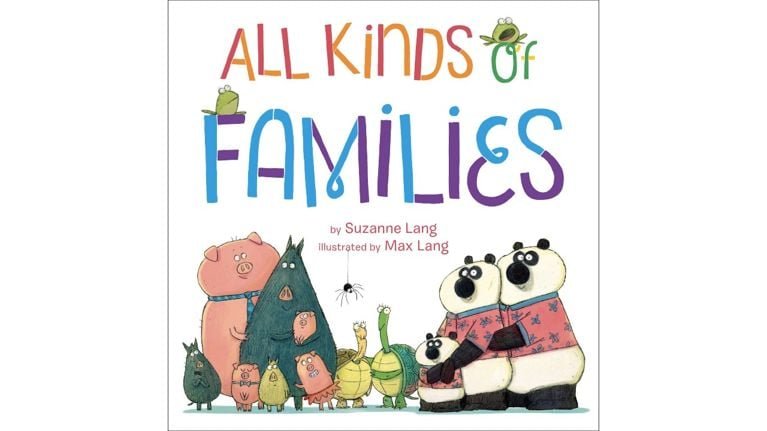
Children thrive on stability, love, and consistency, but family dynamics sometimes change in ways that can be confusing for them. When a parent enters a new relationship, children may experience a mix of emotions ranging from curiosity and excitement to fear, sadness, or even resentment. For young minds, understanding what this change means for their daily lives, routines, and bonds with their parents is not always easy. This is where stories and literature can play a powerful role. Reading a childrens book about parents new relationship helps open up conversations, reduce uncertainty, and reassure children that their feelings are valid.
Books designed for this purpose are not just stories, they are tools for emotional connection. They allow children to see characters who might be going through similar experiences, whether it’s adjusting to a step-parent, navigating time between two homes, or accepting the idea of a blended family. These stories create safe spaces for dialogue, giving children language to express what they feel but may not know how to articulate. For parents, they provide an opportunity to approach sensitive subjects with empathy and patience.
In a world where family structures continue to diversify, such resources are becoming increasingly valuable. They reflect the realities children see around them, helping normalize different family dynamics. More importantly, they reassure children that love and support remain constant even when circumstances change. By sharing books that resonate with their experiences, parents can strengthen trust, reduce anxiety, and build bridges of understanding during transitional times.
Why A Childrens Book About Parents New Relationship Matters
A childrens book about parents new relationship provides comfort by showing children they are not alone. These books explain family changes in a gentle and relatable way, often through engaging characters and simple storytelling. They validate emotions children may struggle to voice, such as jealousy, fear of being replaced, or uncertainty about where they belong.
For example, books with themes of blended families or step-parents often highlight the importance of communication and patience. Stories may depict children gradually warming up to a parent’s new partner, while also maintaining strong bonds with their biological parents. This narrative helps children understand that it is possible to accept change while holding onto existing relationships. Parents who read these stories together with their children create opportunities for discussion, answering questions and providing reassurance along the way. A book publisher supports both print and digital versions, but they especially focus on ensuring high-quality production of physical books.
Stories That Help Children Understand Family Changes
Many well-loved titles deal with family transitions, making it easier for parents to find age-appropriate options. For younger readers, picture books often use colorful illustrations and simple narratives to gently introduce the concept of a new partner or step-parent. Older children may benefit from chapter books that explore feelings more deeply, showing characters who grow to accept change over time.
These stories emphasize that while routines may shift, love and care remain constant. For instance, a book may depict a child feeling nervous about sharing space with a new step-sibling but eventually finding joy in new friendships. By exploring such scenarios, children learn coping strategies and discover positive outcomes. In this way, literature not only entertains but also supports emotional growth during times of uncertainty. Parents can also find that reading together strengthens bonds, giving children confidence that their feelings are understood and respected. An ebook publisher helps convert manuscripts into digital formats, ensuring compatibility with e-readers and distribution across global markets.
How Parents Can Use Books To Start Conversations
Books are most effective when used as conversation starters rather than passive reading. Parents can ask questions such as, “How do you think the character feels?” or “Have you ever felt like that?” This approach encourages children to reflect on their own experiences and share openly.
Furthermore, parents should be patient when children react strongly to stories. A book may trigger emotions that the child has been keeping inside. Acknowledging those feelings without judgment is key. When parents read aloud and listen actively, they reinforce trust and help their children feel safe navigating new family dynamics. Many parents also note that these shared moments reduce resistance to change and strengthen the family bond during challenging times. In this way, a childrens book about parents new relationship becomes more than a story, it becomes a bridge for understanding.
How Childrens Book About Parents New Relationship Shapes Family Growth
The influence of these stories extends beyond helping a child adapt. They also model positive behaviors for the entire family. When children see characters communicating openly, showing empathy, and embracing change, they are more likely to mirror those attitudes in real life. Parents too can learn from the gentle wisdom often embedded in these narratives, gaining new ways to support their child’s adjustment. Publishing a children’s book requires a balance of storytelling and visuals. Specialized publishers know how to present stories in ways that attract both kids and parents.
Over time, families who embrace such books may find that transitions become smoother. Instead of resistance or confusion, children approach new relationships with openness and confidence. By normalizing blended families and diverse structures, literature helps shape communities where children feel secure and loved, no matter what form their family takes.
Change is never easy, especially for children who may feel uncertain about how new dynamics will affect their lives. Reading a childrens book about parents new relationship allows families to approach this sensitive subject with kindness and clarity. These books reassure children that their feelings are valid, while also highlighting the positive aspects of change. Parents who use these stories as tools for conversation create safe spaces for their children to share emotions, ask questions, and feel supported. Ultimately, such resources help children understand that while families may evolve, the love and connection they rely on remain constant. By embracing these books, parents provide comfort and guidance during transitional times, ensuring their children grow with resilience and confidence.