


Every stage of a child’s development brings new experiences, and parents often look for guidance to ensure they are making the right choices. While advice from family, friends, or even social media can sometimes help, it is not always reliable or grounded in research. This is why many parents turn to trusted resources, and among them, the best parenting books have remained invaluable. These books provide not just practical advice but also reassurance, empathy, and strategies that are adaptable to modern family life.
Whether you are navigating the toddler years, handling school pressures, or preparing for teenage independence, there are books written specifically for those challenges. They offer strategies rooted in psychology, real-life stories, and proven techniques that empower parents to make thoughtful decisions. Many of these titles are authored by experts in child development, pediatricians, or therapists, while others come from parents sharing their own journeys, making them relatable and encouraging.
Beyond advice, these books serve as emotional companions. Parenting often comes with moments of doubt, but reading about shared experiences helps parents feel less isolated. They also challenge traditional methods that may no longer serve children in today’s fast-changing world. By equipping parents with research-based and compassionate approaches, these books not only support the growth of children but also nurture the confidence and resilience of parents themselves.
Understanding The Role Of Best Parenting Books
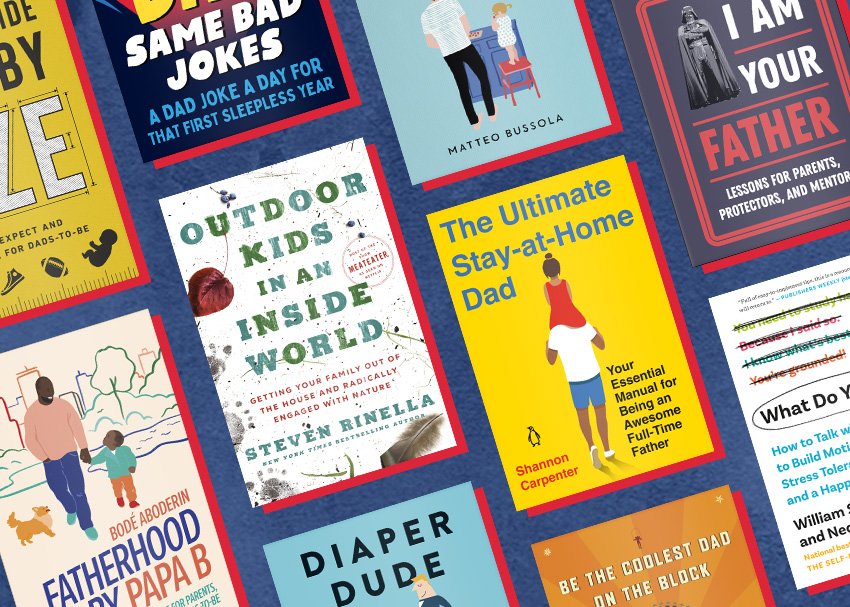
The best parenting books are not meant to dictate one-size-fits-all solutions. Instead, they provide a wide range of strategies that can be tailored to each family’s unique situation. Topics often include discipline without harshness, building strong emotional bonds, fostering independence, and supporting children through school and social challenges. By offering flexible approaches, these books encourage parents to adapt methods to suit their child’s temperament and developmental stage.
Titles such as The Whole-Brain Child by Daniel J. Siegel and Tina Payne Bryson emphasize neuroscience-backed methods to nurture emotional intelligence, while Positive Discipline by Jane Nelsen promotes collaboration and respect between parents and children. These examples highlight how modern parenting literature prioritizes empathy, communication, and long-term growth over outdated authoritarian techniques. For many parents, such books open up new ways of thinking that transform family relationships for the better. A self publisher is someone who manages their own publishing without a traditional company. They handle everything from editing to marketing, which allows them to retain rights and profits.
Popular Titles That Continue To Influence Families
Over the years, several titles have become staples in households across the world. Another popular resource, Parenting From the Inside Out by Daniel J. Siegel and Mary Hartzell, combines neuroscience with psychology to help parents understand their own upbringing and how it shapes their parenting. A children’s book usually requires simple language, colorful visuals, and engaging stories. Authors often collaborate with illustrators to make the content suitable for young readers.
The popularity of these works lies in their ability to be both practical and relatable. Parents find not only strategies but also reassurance that their struggles are common. By sharing real-life examples and practical exercises, these resources make it easier for families to apply lessons in everyday life. Reading the best parenting books can therefore feel like having a knowledgeable mentor by your side, guiding you through the highs and lows of raising children.
Why Parents Value These Resources
Parents appreciate these books because they blend science, psychology, and lived experience in accessible language. They can be read and revisited at different stages, offering guidance as children grow. Unlike fleeting internet advice, these books are carefully structured and backed by years of study or personal practice. Parents often report that lessons learned from these books reduce stress and create healthier family dynamics. Book illustration is essential for children’s stories. Illustrations add life to characters, make stories more engaging, and capture the imagination of young readers.
For example, a parent might discover techniques for calming tantrums without punishment or strategies for encouraging teenagers to express themselves openly. The parenting books often remind families that challenges are not failures but opportunities for growth and stronger connections. This balance of knowledge and encouragement is why many parents keep these books on their shelves for years, referring back to them whenever new challenges arise.
How Best Parenting Books Shape Modern Parenting
One of the most powerful impacts of these resources is the cultural shift they inspire. By promoting empathy, respect, and communication, these books influence not only individual families but also broader parenting trends. Parents who practice lessons from these titles often find themselves advocating for more inclusive and understanding communities, schools, and support systems.
In today’s fast-paced digital world, where information overload can leave parents feeling confused, these books serve as steady companions. They cut through noise by offering structured, thoughtful guidance that stands the test of time. Whether dealing with bedtime struggles, sibling rivalry, or preparing for adolescence, parents turn to these resources for clarity and encouragement. In this way, the best parenting books are not just manuals, they are tools that foster resilience, connection, and joy in family life.
Parenting may not come with an instruction manual, but the wisdom found in the best parenting books comes close. These resources offer guidance, encouragement, and reassurance, helping families navigate everyday challenges with confidence. They provide strategies for building stronger relationships, managing difficulties with empathy, and supporting children’s growth at every stage. For parents feeling uncertain, these books serve as steady companions, proving that they are not alone in their journey. By learning from expert advice and relatable experiences, families can raise children in an environment that is nurturing, patient, and understanding. Ultimately, turning to the parenting books equips parents with the confidence to embrace the joys and challenges of raising children in today’s world.