


Publishing a paperback book requires more than just great content; it demands a polished and professional layout that makes reading smooth and visually appealing. Without the right formatting, a reader’s experience can be compromised, leading to distractions and even negative reviews. This is where a paperback book formatting template becomes a powerful tool. It ensures your book adheres to industry standards while maintaining visual harmony across every page.
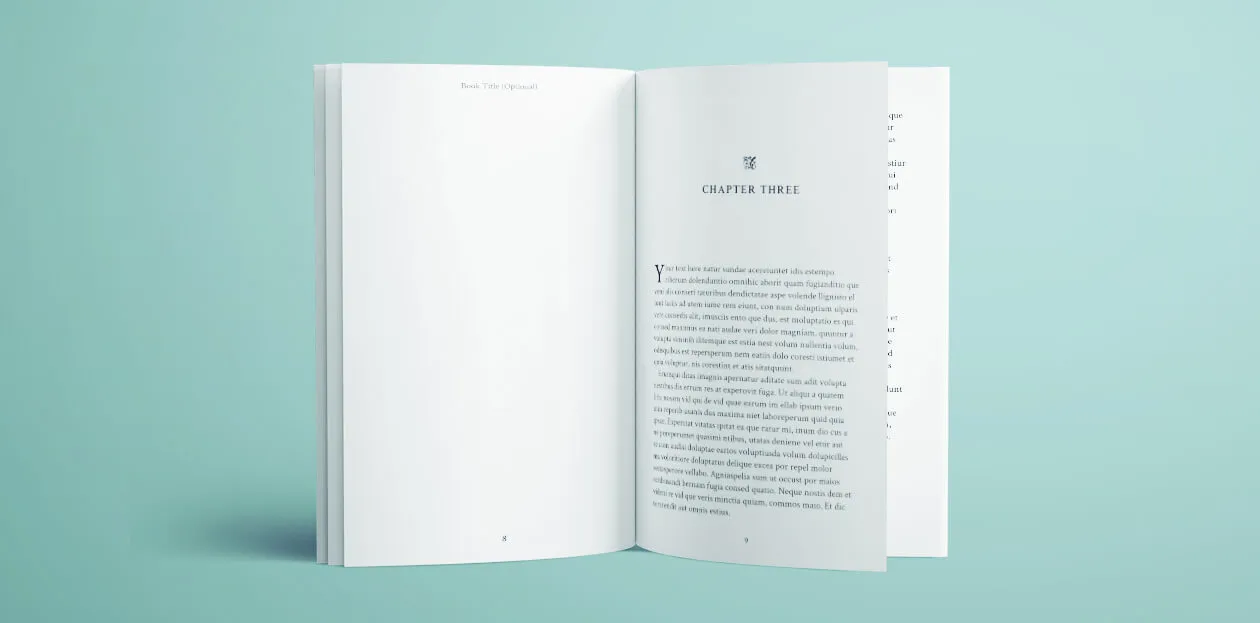
A well-prepared template handles many essential aspects, such as page size, margins, font choice, line spacing, headers, footers, and even chapter headings. For independent authors or small publishers, these templates can save a great deal of time and effort while preventing common formatting mistakes. Instead of spending hours adjusting every page, you can use a pre-made structure to keep your manuscript organized and ready for print.
The importance of proper formatting goes beyond appearance. A reader-friendly design makes your book look professional, helps in meeting printing guidelines, and ensures it is compatible with publishing platforms like Amazon KDP or IngramSpark. It can also improve reader retention, as an appealing layout enhances the storytelling experience. Whether you are a novelist, self-help author, or non-fiction writer, choosing the right paperback book formatting template can be the difference between a visually messy book and a professional-grade publication that earns respect from your audience.
Understanding The Role Of A Paperback Book Formatting Template
A template serves as a structured guide for laying out your manuscript in a print-ready format. It ensures that every page follows consistent rules, from font type and size to paragraph alignment and chapter breaks.
When you use well-designed paperback book formatting, you avoid problems such as awkward page breaks, inconsistent fonts, or misplaced headers. Most templates are designed with specific trim sizes in mind, like 5 x 8 inches or 6 x 9 inches, which are the most common for paperbacks. By selecting a template that matches your chosen trim size, you ensure your book will meet the printer’s requirements without needing costly adjustments later.
Templates also help with important design elements, such as setting appropriate margins to avoid text getting too close to the spine, using line spacing that improves readability, and creating a professional-looking table of contents. Ebook publisher platforms help authors release digital versions of their books across global markets. Services like Kindle Direct Publishing and Draft2Digital offer user-friendly tools for formatting, pricing, and distributing ebooks with minimal cost.
Why Every Author Should Use A Pre-Formatted Template
Many authors try to format their manuscripts manually, only to run into issues during the printing stage. A paperback book formatting template solves this problem by offering a pre-built structure that aligns with professional standards. It also speeds up the publishing process because you can focus on refining your content instead of spending hours adjusting layouts.
For example, a romance novelist who wants to publish through Amazon KDP can choose a template that already has the correct trim size, font style, and chapter design. By simply pasting the manuscript into this template and making small adjustments, the author can produce a print-ready file much faster than formatting from scratch.
Another advantage is that templates often include visual elements like stylized chapter headings, decorative section breaks, and page number placements that add a touch of professionalism. Self publish is a route many authors take to control every step of their publishing journey. From cover design to marketing, self-publishing offers freedom and flexibility, especially for writers who prefer not to rely on traditional publishers.
Customizing Your Paperback Book Formatting Template For Branding
While a template provides the foundation, customization allows you to add personality and brand identity to your book. You can adjust font choices to match your genre, add subtle design elements, or tweak chapter heading styles for a unique look.
For instance, a historical fiction author might choose a classic serif font like Garamond and add vintage-style chapter ornaments, while a self-help writer might prefer a clean sans-serif font for a modern feel. The key is to make changes without compromising readability.
Some authors also include branding elements such as a consistent header with the book title, or a logo for their publishing imprint. These additions make your book stand out in a crowded market. With a flexible paperback book formatting template, these adjustments are straightforward and won’t disrupt the core layout.
Common Mistakes To Avoid When Using A Template
Even with a professionally designed template, mistakes can occur if the author is not careful. Inconsistent chapter formatting can also make the book look unprofessional.
Another common mistake is failing to double-check the print preview before uploading to a publishing platform. While the template ensures most aspects are correct, small errors like misplaced images or orphan lines (single lines of text at the top or bottom of a page) can still slip through.
It is also important to avoid changing the template’s built-in margins or spacing without understanding how it will affect the final print. Incorrect adjustments can lead to text being cut off during printing or uneven white space on the page.
In the competitive world of publishing, presentation is as important as the content itself. By using one, you ensure your work meets the expectations of readers and printing platforms while saving valuable time. Book illustration plays a vital role in genres like children’s books, graphic novels, and educational material. Strong visuals not only enhance storytelling but also make books more appealing and memorable for readers.
Whether you are an experienced author or releasing your first book, investing in a good template will streamline your process and elevate your final product. The best part is that you can customize the design to reflect your unique style while keeping the technical standards intact. Choosing the right paperback book formatting template is not just about convenience, it is about ensuring your readers have the best possible experience from the first page to the last.