


Publishing a book has never been easier than it is today. Thanks to advanced printing services and accessible technology, authors, students, and business professionals can now turn a digital manuscript into a tangible, high-quality product. Whether you are creating a personal memoir, a family history book, an academic project, or a small business manual, the process of print your own book from PDF into a physical book is straightforward and cost-effective. Many self-publishers appreciate the control this approach offers, as they can design their book exactly as they envision it, then produce copies on demand without committing to massive print runs.
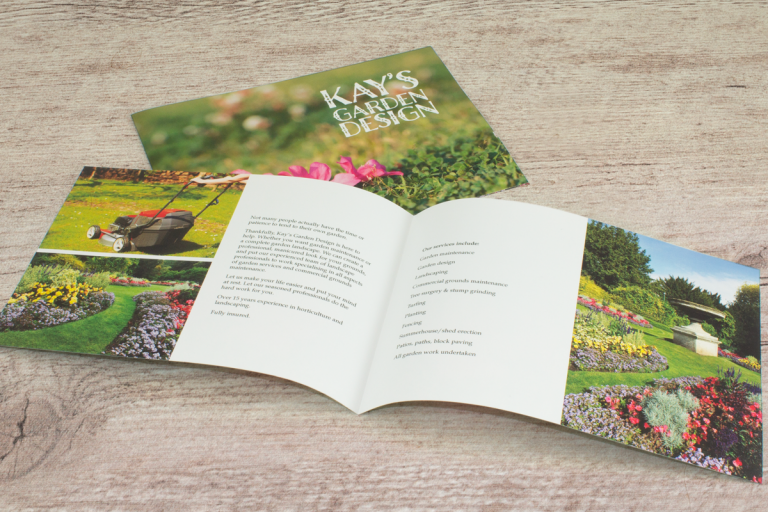
Understanding how to print your own book from PDF involves more than simply uploading a file to a printer. It requires knowledge of formatting, paper quality, binding styles, and printing methods. Choosing the right options not only affects the final look but also impacts durability, readability, and cost. For example, selecting heavier paper can improve the feel of the book, while a matte finish might be better for certain genres compared to glossy.
The beauty of this process is that it works for almost any type of content, from novels and poetry collections to cookbooks and technical manuals. By learning the correct steps and making informed decisions, you can ensure your printed book is professional in appearance and aligned with your creative vision. This article will guide you through the essential considerations so you can produce a book that looks polished, feels great in hand, and leaves a lasting impression.
Understanding How To Print Your Own Book From PDF
When you set out to print your own book from PDF, you begin with a digital file that contains your complete layout. This file should be properly formatted before sending it to a printing service. Standard requirements usually include embedding all fonts, ensuring correct margins, and checking for high-resolution images. Most printers also require the file size to match the exact trim size of your intended book.
You will also need to choose between different printing methods, such as digital printing for short runs or offset printing for larger quantities. Digital printing is more affordable for small batches and allows for quick turnaround times. Conversely, offset printing is more affordable when done in large quantities and frequently yields better print quality for intricate designs.
The binding style is another factor to take into account. Saddle stitching (great for smaller booklets), case binding (used for hardcovers), and perfect binding (often for paperbacks) are popular choices. Each technique has an impact on your book’s feel, look, and longevity. Making the appropriate choices regarding print technique, binding, and paper quality guarantees that your finished product will meet your goals and the expectations of your target audience.
Choosing The Right Printing Service
The printing service you select plays a major role in the quality of your finished book. Many online platforms make it simple to upload your PDF, select your specifications, and order copies within minutes. However, not all services are equal in terms of print quality, color accuracy, and paper options.
Before making a choice, compare different printers based on reviews, sample prints, and pricing. Some companies specialize in self-publishing, offering services like ISBN assignment, cover design assistance, and distribution channels. For projects where you want total creative control, a print-only service might be best.
When reviewing quotes, consider more than just the base printing price. Shipping fees, turnaround times, and minimum order requirements can influence the total cost. For instance, if you are printing a small batch for a local event, a nearby printer might save on delivery costs and allow for quicker adjustments if needed.
Self publishing allows authors to independently produce and distribute their books without going through a traditional publisher. Writers maintain full creative and financial control, choosing their own editors, designers, and marketing strategies while earning a higher share of royalties.
Cost Considerations And Budget Planning
While many people focus on creative aspects, budget plays a crucial role when you print your own book from PDF. The total expense will depend on factors such as page count, trim size, paper weight, color or black-and-white printing, and binding method. For example, full-color printing can be several times more expensive than black-and-white, especially for large page counts.
If you are working with a tight budget, consider printing a small batch first to gauge demand before committing to larger orders. You can also explore cost-saving options like standard paper stock, minimal color usage, and paperback binding instead of hardcover. Planning your budget ahead of time ensures you can balance quality with affordability.
By comparing quotes from multiple printers and experimenting with different specifications, you can find a balance that meets your needs. Some printing services even offer online calculators to help estimate costs before placing an order, making it easier to make informed decisions.
Self publishers are writers who take charge of the entire publishing process, from manuscript preparation to sales. They often use tools like Amazon KDP, Reedsy, or IngramSpark to publish and sell their work in both digital and print formats.
Printing Your Own Book From PDF
In today’s publishing world, the ability to print your own book from PDF empowers authors and creators like never before. It allows you to bypass traditional publishing gatekeepers, maintain creative control, and produce exactly the book you envisioned. Whether you are printing a novel, a family keepsake, a business manual, or a special event program, the process is flexible enough to suit your unique needs.
By taking the time to format your PDF correctly, choose the right printing service, and plan your budget wisely, you can produce a book that meets professional standards without overspending. Ultimately, the satisfaction of holding your finished book in your hands is worth every step of the process.
Children’s book publishing focuses on stories crafted for young readers, often combining engaging narratives with vivid illustrations. Whether traditionally or self-published, children’s books require careful attention to age-appropriate content, layout, and visual appeal.