


For many authors, self-publishers, and small businesses, producing paperback books is a cost-effective way to bring ideas to life. However, understanding the factors that influence the paperback book printing cost can make a significant difference in budgeting and profit margins. Without the right information, you could end up paying more than necessary or compromising on quality. This guide will break down the costs involved, what affects them, and how to make smart printing decisions.
Paperback books remain a favorite among readers for their affordability, portability, and ease of production. From novelists looking to publish their first story to businesses creating branded booklets, knowing your printing options is key. The cost is not just about putting ink on paper, it includes paper quality, binding method, trim size, page count, and even the quantity of copies you order.
Whether you print through a local shop or an online service, prices can vary widely. Some companies offer competitive bulk rates, while others focus on premium quality at a higher price point. By learning how each choice impacts cost, you can strike the right balance between quality and budget. In this article, we will explore all these factors in detail, so you can confidently plan your printing project and avoid common pitfalls.
Understanding Paperback Book Printing Cost Basics
When it comes to paperback book printing cost, there are a few fundamental elements to consider. The type of paper, standard, recycled, or premium, also affects costs. Premium paper enhances visual appeal but comes at a higher price.
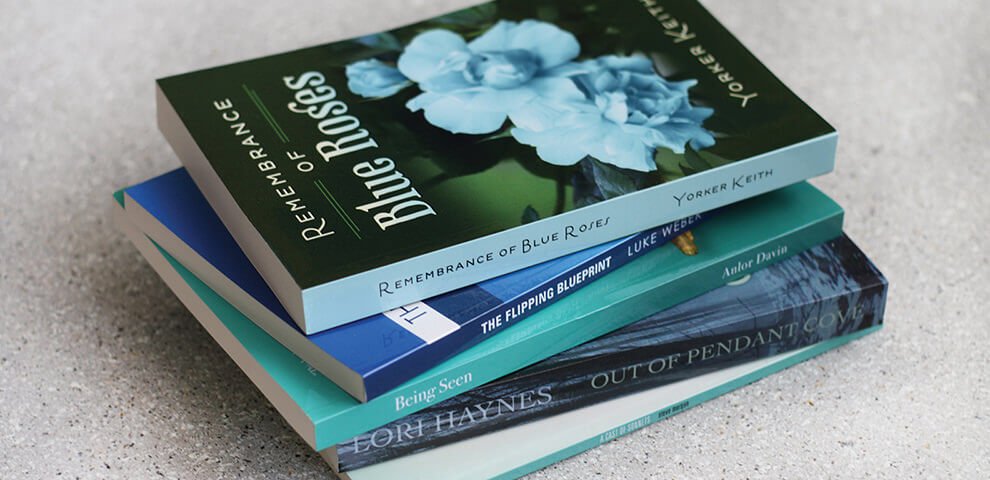
Another major factor is trim size. Smaller books use less material, while larger formats require more. Binding type also plays a role, with perfect binding being the standard for most paperbacks, offering durability and a professional finish. The number of copies you order is crucial too, bulk printing usually lowers the per-unit cost significantly.
Finally, whether you print locally or with an online printer can change your expenses. Local printers may offer faster turnaround and personalized service, while online printers often have competitive rates due to large-scale production facilities. Publish my book is a common aim for authors ready to share their work with the world. Whether choosing traditional routes or self-publishing platforms, writers can prepare their manuscripts and decide how to distribute their books effectively to reach readers.
Factors That Affect the Overall Price
Several factors can push your paperback book printing cost higher or lower. Color printing, for example, is far more expensive than black-and-white. If your project does not require images, sticking to monochrome can save a lot.
The type of cover finish is another cost consideration. Matte covers offer a smooth, modern feel, while glossy covers enhance colors and add shine, but pricing varies by supplier. Some authors also invest in additional features like embossing, foil stamping, or spot UV for a more premium look.
Location and shipping costs also matter. Even if a printer offers a low price per copy, high shipping fees can offset your savings. For those printing in small quantities, on-demand printing can be cost-effective, though the per-unit price may be higher than bulk orders. Ebook publisher platforms like Amazon KDP, Smashwords, and Apple Books make it easy for authors to distribute digital versions of their books. These services support various formats and give access to large online markets, often with simple upload and pricing tools.
How To Save Money On Printing Without Sacrificing Quality
If you are trying to reduce your paperback book printing cost, start by optimizing your design. Minimize unnecessary blank pages, avoid excessive color printing, and choose standard sizes that match industry norms. Standard sizes are often cheaper because printers can maximize their paper usage without waste.
Another cost-saving strategy is to compare multiple quotes from different printers. Many printing companies have online calculators that allow you to test various options and instantly see the price difference.
You can also consider printing in larger quantities to lower the per-unit cost. Even if the upfront expense is higher, you might save significantly in the long run, especially if you plan to sell or distribute the books over time.
Best Printing Services For Affordable Rates
When researching printers, you will find a wide range of pricing and quality. Established companies like IngramSpark, Lulu, and Amazon KDP offer reliable services for authors looking to reach a broad audience. These platforms also provide distribution options, which can offset your paperback book printing cost by helping you sell more copies.
Local print shops can also be a great option, especially if you value face-to-face communication and need quick turnaround times. They can help you choose paper types, cover finishes, and binding methods that meet your budget.
If you are producing books for business use, trade printers often offer wholesale rates, making them ideal for bulk orders. Just ensure that their quality standards match your expectations before committing to a large run. Self publisher authors manage the entire publishing process themselves, from editing and formatting to marketing and distribution. This approach gives them full creative freedom and higher royalty potential, making it an attractive option for many modern writers.
Printing a paperback book is not just about putting words on paper, it involves careful planning and budgeting. Understanding what influences your paperback book printing cost can help you make smarter choices and avoid unnecessary expenses. From paper type to order quantity, every decision impacts the final price.
By researching printers, comparing quotes, and optimizing your book’s design, you can achieve professional results without overspending. Whether you are printing a novel, a business manual, or an event program, balancing cost and quality will ensure your book stands out while staying within budget.